Foot Drop-Effective Physiotherapy Clinic
This is a general term for difficulty lifting the front part of the foot. If you have a foot drop, the front of your foot might drag on the ground when you walk. This is as a result of weakness or…
This is a general term for difficulty lifting the front part of the foot. If you have a foot drop, the front of your foot might drag on the ground when you walk. This is as a result of weakness or paralysis of the muscles involved in lifting the front part of the foot. In a lay man’s language FT occurs when the nerves controlling the lifting of the leg is affected , consequently impairing the easy movement of the legs.
Sometimes foot drop is temporary however, it can become permanent if not well taken care of. Sometimes people who has it might need to wear a brace on your ankle and foot to hold your foot in a normal position.
What Causes Foot Drop?
FT is not a disease. However it’s a sign of an underlying neurological, muscular or anatomical problem. The weakness or paralysis of the muscles involved in lifting the front part of the foot is a factor. Major causes of foot drop might include:
- Nerve injury
- Muscle disorders
- Brain or spinal disorders
Nerve injury. The most common cause of foot drop is compression of a nerve in your leg that controls the muscles involved in lifting the foot (peroneal nerve).
Some common ways the peroneal nerve is damaged or compressed include:
- Sports injuries
- Diabetes
- Hip or knee replacement surgery
- Spending long hours sitting cross-legged or squatting
- Childbirth
- Time spent in a leg cast
- Injury to the nerve roots in the spine may also cause foot drop.
Most commonly, foot drop is caused by an injury to the peroneal nerve. The peroneal nerve is a branch of the sciatic nerve that wraps from the back of the knee to the front of the shin. Because it sits very close to the surface, it may be damaged easily.
An injury to the peroneal nerve may also be associated with pain or numbness along the shin or the top of the foot.
Muscle or nerve disorders. Various forms of muscular dystrophy, an inherited disease that causes progressive muscle weakness, can contribute to foot drop.
Conditions that cause the muscles to progressively weaken or deteriorate may cause foot drops. These include:
- Muscular dystrophy
- Amyotrophic lateral sclerosis (lou gehrig’s disease)
- Polio
Brain and spinal cord disorders. Disorders that affect the spinal cord or brain may cause foot drop. These include:
- Stroke
- Multiple sclerosis (ms)
- Cerebral palsy
- Charcot-marie-tooth disease
Important risk factors to note
The peroneal nerve controls the muscles that lift your foot. This nerve runs near the surface of your skin on the side of your knee closest to your hand. Activities that compress this nerve can increase your risk of foot drop. Examples include:
- Crossing your legs. People who habitually cross their legs can compress the peroneal nerve on their uppermost leg.
- Prolonged kneeling. Occupations that involve prolonged squatting or kneeling — such as picking strawberries or laying floor tile — can result in foot drop.
- Wearing a leg cast. Plaster casts that enclose the ankle and end just below the knee can exert pressure on the peroneal nerve.
Treatment for Foot Drop
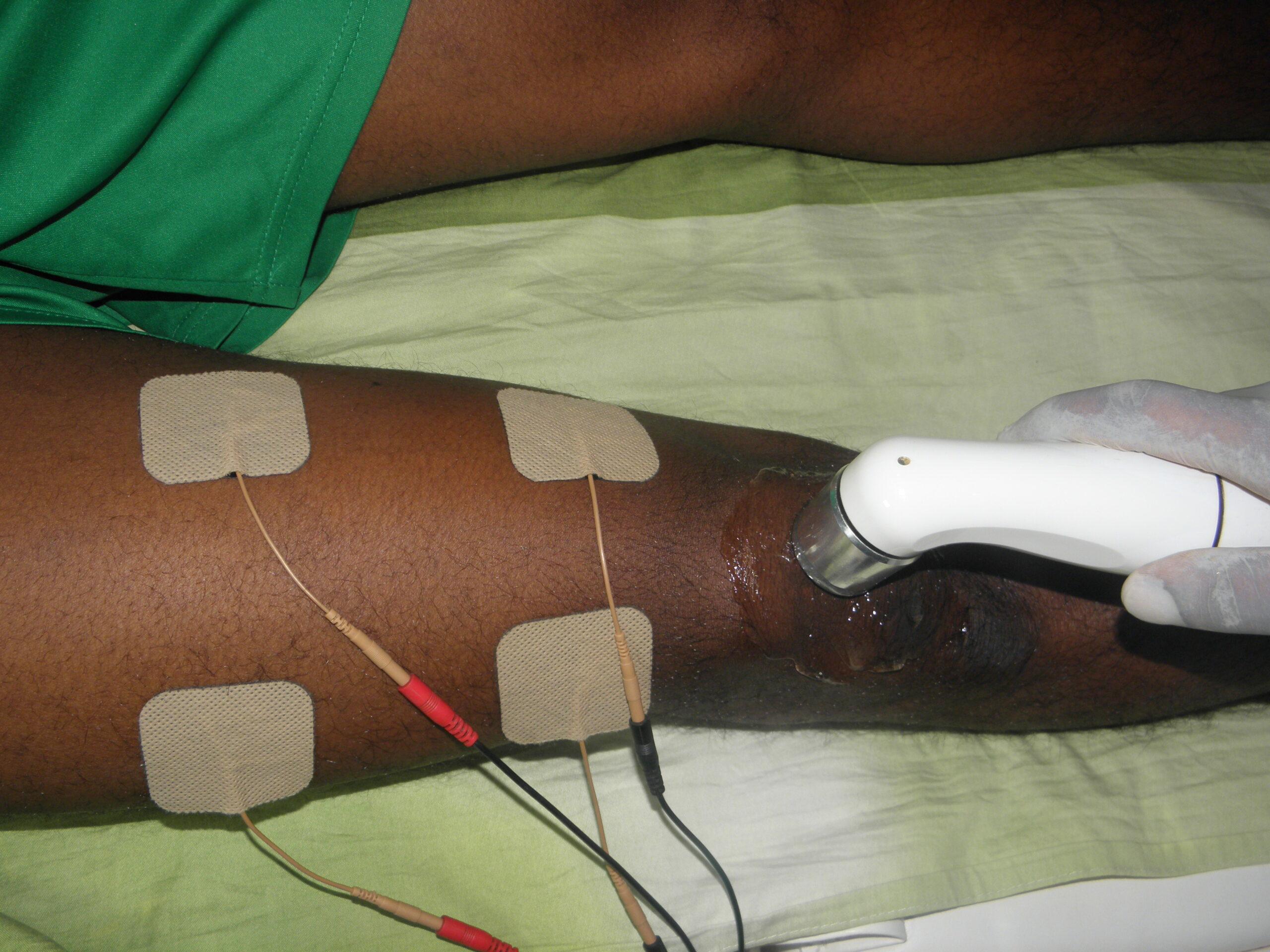
Treatment for foot drop will depend on the cause. Early treatment may improve chances of recovery. At Effective Physiotherapy & Fitness Clinic, we use some physical clinical procedures to treat foot drop. These techniques are very effective procedures that gives quick strength and healing to the affected leg(s). Unlike any other treatment, they are the most recommended.
Other treatments may include:
- lightweight braces
- surgery { last option to consider)
- shoe inserts (orthotics)
Physical therapy is used to strengthen foot and leg muscles. It may improve a person’s ability to walk. In some cases, electronic devices that stimulate the leg nerves during walking may be appropriate.
Lightweight braces are the most common treatment. They’re used to support the leg.
Surgery may be recommended to try to repair or decompress a damaged nerve. In cases where foot drop is permanent, surgery to fuse the foot and ankle joint or to transfer tendons from stronger muscles may help improve gait and stability.
Orthotics are special shoe or heel inserts a doctor prescribes that are custom-made.
Contact us:
Address: No. 2 Ajumgobia Close, Kado Estate, Abuja
Call: +234811 885 6060 | +234 909 860 4470
Website: www.effectivephysio.com
Twitter: @effectvphysio
Facebook: EffectivePhysiotherapyClinic
Linkedin: Effectivephysiotherapy
Instagram: Effectivephysiotherapy
YouTube: https://www.youtube.com/@effectivephysiotherapyfitness
Need help with this problem?
This article is general information, not a diagnosis. If these symptoms sound like yours, book an assessment at our clinic in Kado Estate, Abuja.
Medical disclaimer: Content on this website is for general education and does not replace an in-person assessment. If you have severe pain, sudden weakness, chest pain, difficulty breathing, or symptoms after a serious injury, seek urgent medical care.