Treatment Of Colles Fracture
Treatment Of Colles Fracture: A Colles Fracture is a complete fracture of the radius bone of the forearm close to the wrist resulting in an upward (posterior) displacement of the radius and obvious…
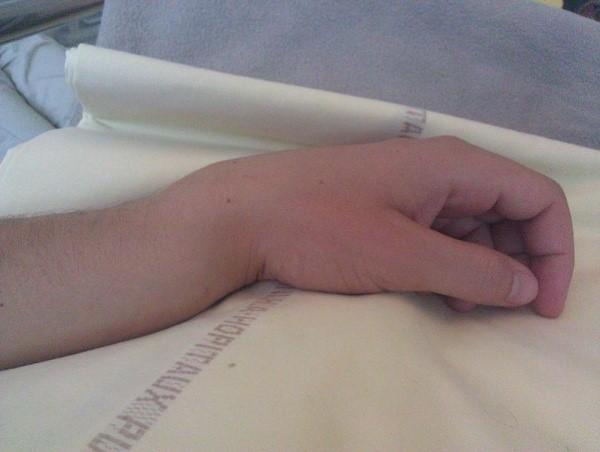
Treatment Of Colles Fracture: A Colles Fracture is a complete fracture of the radius bone of the forearm close to the wrist resulting in an upward (posterior) displacement of the radius and obvious deformity. This injury commonly occurs due to falls or impacts that exert excessive force on the wrist. Accurate identification and prompt treatment are essential for effective recovery and to minimize complications.
UNDERSTANDING COLLES FRACTURE: Gaining insight into the nature of a colles fracture is crucial for effective treatment and recovery.
It is commonly called a “broken wrist” in spite of the fact that the distal radius is the location of the fracture, not the carpal bones of the wrist. Understanding the true nature of this injury helps in managing expectations during recovery. Many patients may assume that since it is referred to as a wrist fracture, the treatment will focus solely on the wrist area, but the implications of a Colles Fracture extend beyond that.
CAUSES OF COLLES FRACTURE
IMPORTANCE OF TIMELY INTERVENTION: Immediate treatment following a Colles Fracture can significantly influence the healing process. Delayed intervention can lead to complications such as malunion or non-union of the fracture, which may necessitate more invasive treatments such as surgery. Understanding the importance of seeking medical attention right after an injury can help individuals avoid prolonged discomfort and potential long-term issues.
ANATOMY OF THE RADIUS: The radius is one of the two long bones in the forearm, along with the ulna. It runs parallel to the ulna and plays a crucial role in the wrist’s function. The distal end of the radius articulates with the carpal bones and is essential for movements such as rotation of the wrist. Understanding this anatomy is vital for both patients and healthcare providers, as it provides context for the injuries sustained and the potential impact on mobility.
- Trauma: A fall (onto an outstretched hand.), motor vehicle accident, or tackle during a football game can all result in fractures.
- Osteoporosis: This disorder weakens bones and makes them more likely to break.
- Overuse: Repetitive motion can tire muscles and place more force on bone.
SYMPTOMS OF COLLES FRACTURE: Recognizing the symptoms of a Colles Fracture early can aid in timely treatment and recovery. Patients may experience a range of symptoms that should not be ignored.
- Severe pain that might worsen when gripping or squeezing or moving your hand or wrist.
- Swelling.
- Tenderness.
- Bruising.
- Obvious deformity, such as a bent wrist.
PHYSIOTHERAPY TREATMENT OF COLLES FRACTURE: Effective physiotherapy is crucial in the rehabilitation process following a Colles Fracture. The treatment plan typically includes several modalities aimed at restoring function and alleviating pain.
- Heat/Paraffin Wax
- Soft tissue mobilization
- Cryotherapy
- Electrical Stimulation
- Exercise
GOALS OF PHYSIOTHERAPY: The primary goals of physiotherapy after a Colles Fracture include reducing pain, improving range of motion, and restoring strength. A tailored approach allows therapists to meet individual patient needs effectively.
Physiotherapy intervention would help regain strength and mobility in your wrist. This may include improving your wrist’s range of motion, working on your grip, and increasing strength in your fingers and wrist.

Contact Information: For professional assessment and treatment, visit us at Effective Physiotherapy and Fitness Clinic at this address No 2 D Close, Ajumgobia Street, Kado Estate, Abuja or call +234 811 885 6060. Our experienced team specializes in managing injuries like the Colles fracture and is dedicated to providing personalized care.
YouTube: https://www.youtube.com/@effectivephysiotherapyfitness

FOLLOW-UP CARE: Regular follow-up appointments are essential to monitor the healing process and make necessary adjustments to the treatment plan. These visits allow physiotherapists to assess progress and address any concerns the patient may have.
EXERCISES FOR REHABILITATION: Rehabilitation exercises often begin with gentle range-of-motion activities to avoid stiffness. As healing progresses, strengthening exercises will be introduced. It is important for patients to follow the rehabilitation plan diligently to facilitate a smoother recovery process.
Need help with this problem?
This article is general information, not a diagnosis. If these symptoms sound like yours, book an assessment at our clinic in Kado Estate, Abuja.
Medical disclaimer: Content on this website is for general education and does not replace an in-person assessment. If you have severe pain, sudden weakness, chest pain, difficulty breathing, or symptoms after a serious injury, seek urgent medical care.